How Communication Designers Balance Creativity and Technology at MIT-SD
Design today is inseparable from technology. As the creative world embraces digital transformation, communication designers must learn to express ideas across new media, platforms, and tools without losing the human story at the heart of design. At the MIT School of Design (MIT-SD), Pune, one of the leading Communication Design colleges in Pune, students learn to balance creativity and technology—using digital tools thoughtfully to create meaningful visual communication.
The Changing Language of Communication Design
Communication design has evolved beyond print and static visuals. It now encompasses motion graphics, user interfaces, interactive experiences, and brand storytelling across multiple screens.
MIT-SD’s Bachelor of Communication Design program prepares students for this changing landscape. The curriculum emphasizes design thinking, visual narrative, digital media tools, and cross-disciplinary collaboration, enabling learners to craft ideas that resonate with modern audiences.
By understanding both creative intuition and the logic of digital systems, students gain the ability to design not just for aesthetics, but for experience and impact.
Learning by Doing: MIT-SD’s Studio Approach
The foundation of MIT-SD’s pedagogy is hands-on, studio-based learning. Each semester challenges students to translate conceptual ideas into visual outcomes using industry-standard software and techniques.
Through assignments and workshops, learners explore typography, illustration, photography, animation, film, and motion graphics—mastering composition, rhythm, and tone, core aspects of timeless storytelling.
Faculty mentors with professional experience guide students in blending artistic sensibility with practical execution, mirroring real-world creative studio processes.
Integrating Digital Tools Thoughtfully
While automation and digital platforms have simplified production processes, the role of the designer remains irreplaceable. MIT-SD trains students to view technology as a partner, not a substitute.
Courses integrate tools for image editing, layout, motion, and 3D visualization, teaching learners to build visual systems efficiently. Equal emphasis is placed on critical thinking—understanding audience, context, and emotion before applying technology.
This helps students avoid dependency on software and instead focus on intentional, story-driven design.
Storytelling in a Connected World
At its core, communication design is about connecting people through narratives. MIT-SD fosters this through storyboarding, campaign design, and visual storytelling projects.
Students create content aligned with cultural and social realities—designing identity systems for local brands or conceptualizing multimedia experiences for public awareness campaigns.
Empathy and research ensure that every project carries a meaningful message and purpose.
Industry Exposure and Collaboration
MIT-SD maintains strong ties with creative professionals, production studios, and design firms, offering students invaluable exposure to industry practices. Guest lectures, portfolio reviews, and design competitions connect classroom learning with real-world expectations.
Interdisciplinary collaboration is a defining strength—students frequently work with peers from Product Design, Engineering, and Architecture, reflecting the interconnected nature of modern creative industries.
Career Paths and Future Prospects
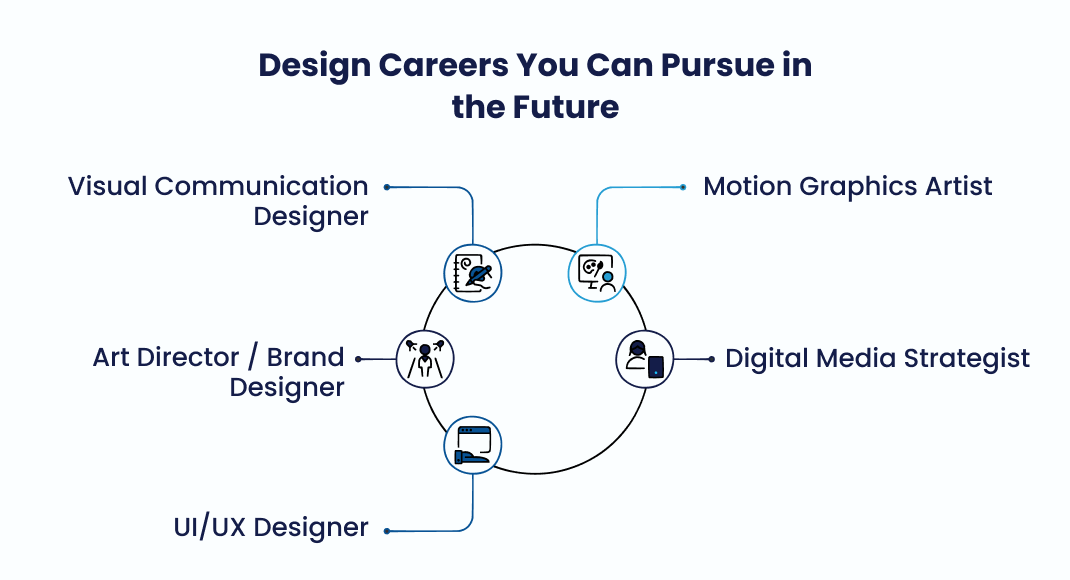
Graduates from MIT-SD’s Communication Design program are prepared for diverse roles, including:
- Visual Communication Designer
- Motion Graphics Artist
- Art Director / Brand Designer
- Digital Media Strategist
- UI/UX Designer
The balance between conceptual strength and technical proficiency allows alumni to adapt quickly to emerging trends such as digital branding, social media design, and immersive media production.
Conclusion
The future of communication design lies in harmony—between creativity and technology, insight and analysis, handcraft and automation.
At MIT-SD, students discover that design power comes not from tools but from perspective. By grounding creativity in empathy and purpose while using technology as an enabler, graduates are prepared to shape the next era of visual communication.
As one of the most forward-thinking Communication Design colleges in Pune, MIT-SD continues to nurture designers who communicate clearly, think critically, and create with conscience.